Unlocking the Future of Flight with Precision Aerospace Machining Services
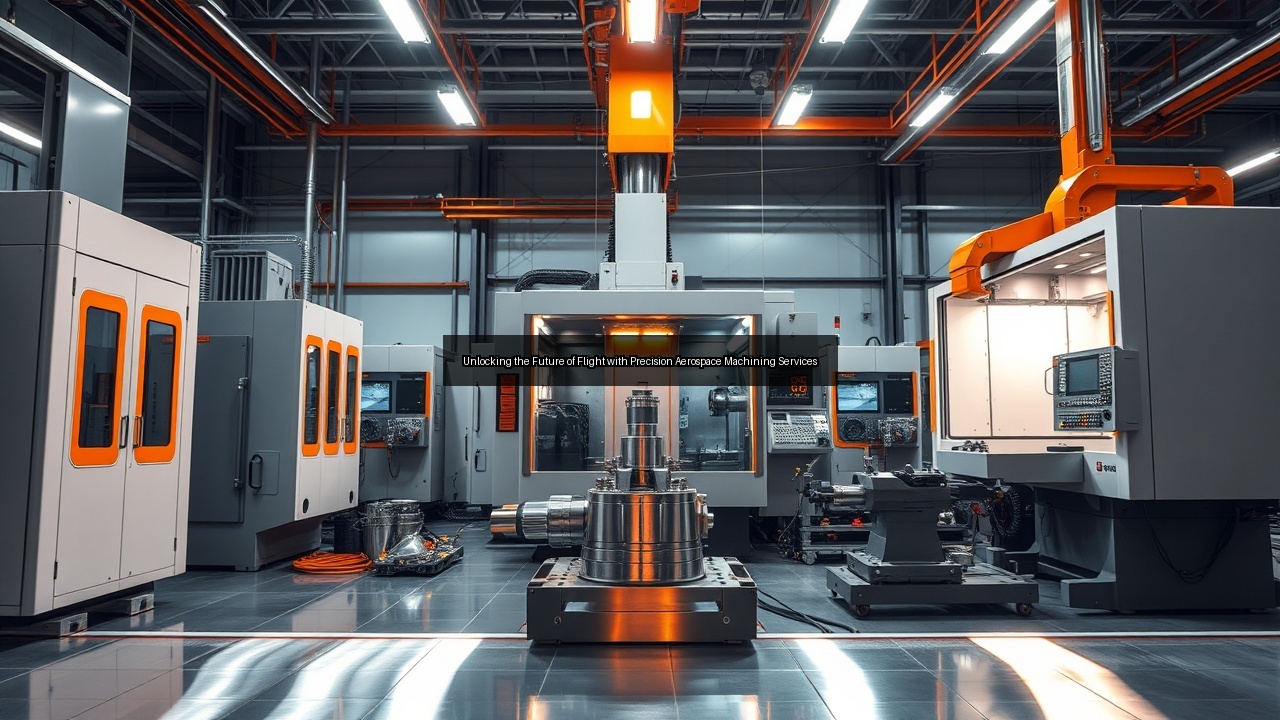
The Role of Aerospace Machining Services in Modern Flight
Understanding Aerospace Machining
Aerospace machining services encompass a range of processes that shape and fabricate components critical to the aerospace industry. This specialized field involves the use of advanced tools and technologies to produce highly precise parts for aircraft, military aircraft, and spacecraft. Machinists skilled in aerospace machining employ techniques such as milling, turning, and grinding to create components from various metals, including titanium, aluminum, stainless steel, and cobalt. Each part manufactured plays a pivotal role in ensuring the performance, safety, and reliability of aircraft, UAVs, and missiles.
Key Components of Aerospace Machining Services
Aerospace machining services include a variety of key components tailored to meet the rigorous demands of the industry. These services often involve CNC (computer numerical control) machining, which allows for high precision and repeatability in producing intricate aerospace parts. Machinists utilize sophisticated software to design and program machining operations, ensuring that each component meets stringent specifications. Additionally, services extend to prototyping, casting, and finishing processes, which ensure that every machined part integrates seamlessly into larger systems, such as turbine blades or engine components. The meticulous attention to detail in these processes guarantees that the final products contribute to the overall safety and effectiveness of aerospace engineering.
Applications in Military Aircraft and UAVs
The applications of aerospace machining services are extensive, particularly in military aircraft and UAV (unmanned aerial vehicle) manufacturing. Military aircraft demand exceptional durability and performance, necessitating the use of advanced machining techniques to create components that withstand extreme conditions. Machined parts, such as airframes, landing gear, and weapon systems, must adhere to strict military specifications. Similarly, UAVs rely on precision-engineered components to ensure optimal flight performance and reliability. Machining services cater to these needs, producing lightweight parts that enhance maneuverability while maintaining structural integrity. As military technology evolves, the role of aerospace machining in developing next-generation aircraft and UAVs becomes increasingly vital.
Precision and Accuracy: The Heart of Aerospace Machining
The Importance of CNC Machining in Aerospace
CNC machining stands at the forefront of aerospace machining services, offering unparalleled precision and accuracy in the production of aerospace components. This technology allows machinists to create complex geometries and intricate designs with a level of detail that manual machining cannot achieve. CNC machines operate with programmed instructions, ensuring consistent quality across production runs. This consistency is critical in the aerospace industry, where even the smallest deviation can lead to catastrophic failures. Advanced CNC machines also accommodate a variety of materials, from metal to composites, making them versatile tools in the aerospace engineer's arsenal. Consequently, the reliance on CNC machining has transformed aerospace manufacturing, driving innovations that enhance performance and safety.
Materials Used in Aerospace Machining: From Titanium to Aluminum
The choice of materials in aerospace machining significantly impacts the performance and reliability of aircraft components. Titanium, known for its strength-to-weight ratio, is frequently used in critical applications such as engine components and structural elements. Aluminum provides a lightweight alternative, commonly found in airframes and fuselage sections. Stainless steel and cobalt are also utilized for their high corrosion resistance and durability. The aerospace industry increasingly incorporates advanced composites and alloys, enhancing performance characteristics while reducing weight. Machinists must understand the properties of each material to select the appropriate machining techniques, ensuring that components meet rigorous safety and performance standards.
Enhancing Reliability with Advanced Tooling Techniques
Tooling techniques play a pivotal role in enhancing the reliability of aerospace machining services. Specialized tools, such as high-speed steel and carbide inserts, allow machinists to achieve high material removal rates while maintaining precision. Additionally, advancements in tooling technology, such as coated tools and custom tool designs, optimize performance and extend tool life. Effective tooling strategies reduce production time and costs, making them essential in the competitive aerospace sector. By investing in advanced tooling techniques, aerospace manufacturers can improve the overall quality of machined components, ensuring they meet the demanding standards required for modern flight.
Innovations Driving the Future of Aerospace Machining
Industrial Automation in Aerospace Manufacturing
Industrial automation is revolutionizing aerospace machining services, streamlining processes and increasing efficiency. Automated systems enable manufacturers to minimize human error and enhance production aerospace parts machining consistency. Robotics play a crucial role in handling tasks such as loading and unloading materials, machining operations, and quality inspection. This automation not only speeds up production cycles but also allows machinists to focus on complex tasks that require higher levels of expertise. The integration of automation in aerospace manufacturing leads to significant cost savings and improves the overall reliability of machined components, ensuring that aircraft and spacecraft can meet evolving demands.
Machining Technologies for Space Architecture
The exploration of space architecture relies heavily on advanced machining technologies. As missions to Mars and beyond become more attainable, the demand for precise aerospace components intensifies. Machining technologies specifically designed for space applications, such as additive manufacturing and hybrid machining processes, allow for the production of lightweight yet robust parts essential for spacecraft. These technologies facilitate the creation of complex geometries that were previously unattainable, enabling engineers to innovate in ways that enhance spacecraft durability and performance. The future of space exploration hinges on these advancements in machining, making it an exciting frontier for aerospace engineers and machinists alike.
The Impact of Advanced Materials on Aerospace Engineering
Advanced materials significantly influence aerospace engineering and machining services. The introduction of lightweight composites and high-strength alloys revolutionizes component design, allowing for more efficient fuel consumption and improved performance. Aerospace engineers now have access to materials that offer greater resilience and thermal stability, which are crucial for high-performance applications. Machinists must adapt their techniques to effectively work with these advanced materials, often employing specialized tools and machining strategies. This synergy between material science and machining technology fosters innovations that enhance the capabilities of modern aircraft and spacecraft, paving the way for a new era in aerospace engineering.
Challenges and Opportunities in Aerospace Machining
Navigating the Complexities of Aerospace Component Machining
Aerospace component machining presents unique challenges that require specialized knowledge and expertise. The complexity of designs, combined with stringent regulatory standards, demands meticulous planning and execution. Machinists must navigate these complexities while ensuring that each component meets the precise tolerances required for safety and performance. Additionally, maintaining quality control throughout the manufacturing process is crucial to prevent costly errors. The intricacies of aerospace machining create opportunities for innovation, as manufacturers seek out new technologies and methods to streamline operations and improve outcomes. Addressing these challenges not only enhances the quality of aerospace components but also drives advancements in the industry.
The Role of Machinists in Ensuring Quality and Precision
Machinists play a vital role in ensuring the quality and precision of aerospace components. Their expertise and attention to detail directly impact the reliability of the final products. A skilled machinist understands the nuances of different materials and machining processes, allowing them to make informed decisions throughout production. Continuous training and education in the latest technologies and techniques are essential for machinists to stay ahead in a rapidly evolving field. By prioritizing quality assurance and precision, machinists contribute significantly to the safety and effectiveness of aerospace engineering, ultimately influencing the success of modern flight.
Future Trends in Aerospace Machining Services
The future of aerospace machining services holds exciting trends that promise to reshape the industry. As the demand for more efficient and sustainable aircraft grows, manufacturers will increasingly adopt green machining practices that minimize waste and energy consumption. The integration of artificial intelligence and machine learning into machining processes will enhance predictive maintenance and optimize production efficiency. Furthermore, the rise of 3D printing technology opens new avenues for creating complex aerospace components with reduced lead times and costs. These trends signify a dynamic future for aerospace machining services, driven by innovation and a commitment to excellence in engineering and manufacturing.
See Also
- Crafting Turbine Blades with Precision in Aerospace Machining
- The Art of Machining Aerospace Castings for Enhanced Performance
- The Future of Aerospace Machining in Space Architecture
- Aluminum vs Steel in Aerospace Machining What You Need to Know
- Enhancing Reliability in Aerospace Components Through Precision Machining