Understanding the Girth Weld Scope in Pipeline Projects
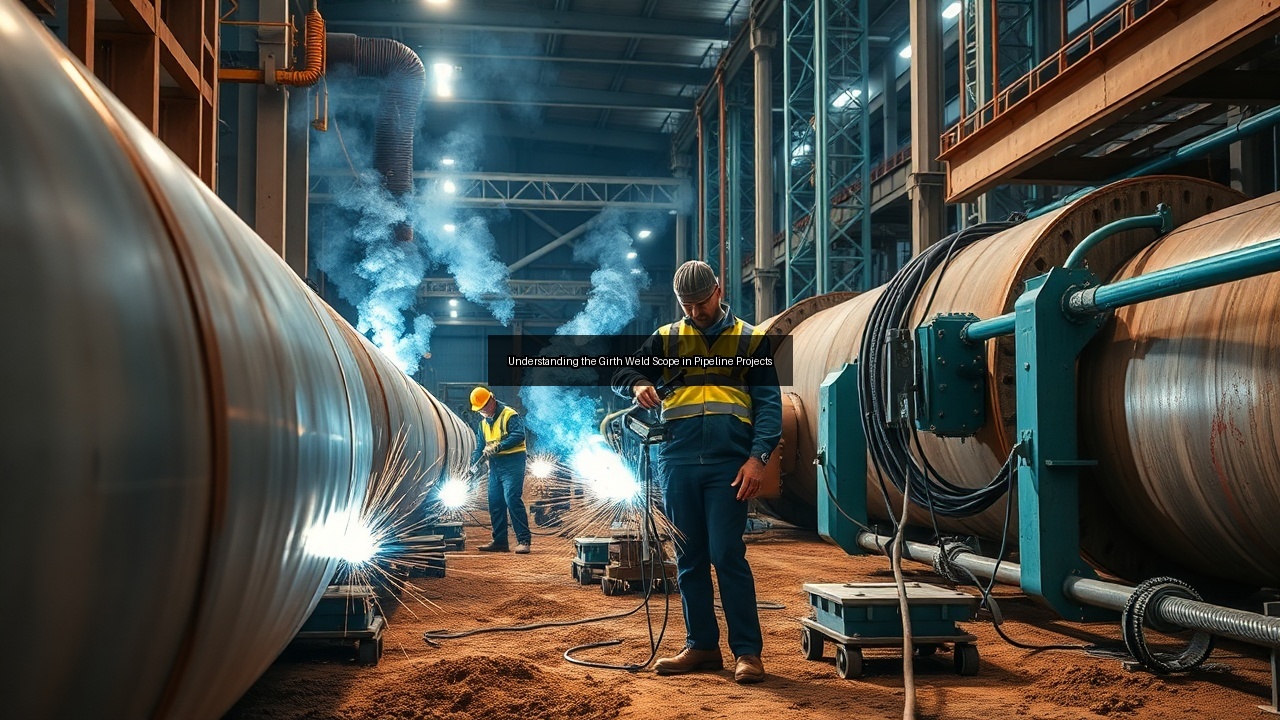
The Importance of Girth Welding in Pipeline Construction
Role of Girth Welds in Pipeline Integrity
Girth welds play a crucial role in ensuring the integrity of pipelines. These welds connect sections of pipe, forming a continuous conduit that transports fluids, gases, and other materials. A strong girth weld prevents leaks and failures, which can lead to environmental disasters and costly repairs. The integrity of a pipeline relies heavily on the strength of these welds. Engineers design girth welds to withstand internal pressures and external forces, making them fundamental to pipeline safety. Without proper girth welding, the entire pipeline system becomes vulnerable, jeopardizing both operational efficiency and public safety.
Impact of Material Selection on Weldability
The choice of materials significantly influences the weldability of girth welds. Materials like stainless steel offer excellent corrosion resistance and strength, making them a preferred choice in many pipeline projects. However, the welding process can vary greatly depending on the material's properties. For instance, some metals may require preheating to enhance weldability, while others may need specific filler materials to prevent defects. Understanding the characteristics of each material allows welders to select the most suitable welding techniques, ensuring robust girth welds. This careful selection process not only improves the quality of the welds but also extends the lifespan of the pipeline.
Understanding the Girth Weld Joint Structure
The structure of a girth weld joint is critical in determining its performance and durability. Typically, a girth weld consists of the root, the filler, and the cap, each playing a specific role in the overall strength of the joint. The root forms the initial connection between the pipe sections, while the filler adds material to achieve the desired thickness. The cap, often ground down, creates a smooth surface to minimize turbulence in the pipeline. Proper preparation and execution of these joint structures ensure that the girth welds can withstand high pressures and harsh environmental conditions, which is essential for the longevity of the pipeline.
Welding Techniques and Methods for Girth Welds
Traditional Welding Methods vs. Friction Stir Welding
Traditional welding methods, such as Shielded Metal Arc Welding (SMAW) and Gas Tungsten Arc Welding (GTAW), have long been the backbone of girth weld construction. These techniques provide versatility and adaptability, allowing for effective welding in various conditions. However, newer methods like Friction Stir Welding (FSW) have emerged, offering advantages such as reduced distortion and enhanced mechanical properties of the weld. FSW utilizes a rotating tool to generate frictional heat, causing the materials to soften and allow for a strong bond without melting. This method often results in superior welds that can withstand the rigors of pipeline operation. The choice between traditional methods and innovative techniques like FSW depends on project requirements, budget, and desired weld properties.
Overview of Welding Processes Used in Pipeline Construction
Numerous welding processes are employed in pipeline construction, each with its own advantages. Submerged Arc Welding (SAW) is commonly used for girth welds due to its efficiency and ability to handle thick materials. This process involves feeding a continuous wire electrode into the weld pool, covered by a blanket of granular flux, which protects the weld from contamination. Other methods, such as Gas Metal Arc Welding (GMAW), provide flexibility and speed for field applications. Each process requires skilled welders who understand the nuances of each technique, ensuring that welds meet stringent quality standards. The selection of the appropriate welding process directly impacts the overall efficiency and success of pipeline projects.
Advantages of Using Stainless Steel in Girth Welding
Stainless steel offers distinct advantages in girth welding. Its inherent resistance to corrosion enhances the longevity of pipelines, particularly in harsh environments. This material retains strength at elevated temperatures and provides excellent weldability when compared to carbon steel. Welders appreciate the ease of achieving high-quality welds with stainless steel, as it typically requires less preheating and produces fewer defects. Additionally, stainless steel's aesthetic appeal and low maintenance requirements make it a popular choice for both underground and above-ground pipelines. By opting for stainless steel in girth welding, project managers can ensure robust infrastructure that withstands the test of time.
Inspection and Quality Assurance in Girth Welds
Welding Inspection Techniques: Ultrasonic Testing and Beyond
Welding inspection plays a vital role in maintaining the quality of girth welds. Techniques such as Ultrasonic Testing (UT) provide a non-destructive means to evaluate weld integrity. UT utilizes sound waves to detect internal flaws, making it an effective method for identifying defects that could compromise pipeline safety. Other inspection methods include radiographic testing, which uses X-rays to visualize weld defects, and Magnetic Particle Testing (MPT), effective for detecting surface and near-surface flaws. Each technique has its strengths, and utilizing a combination of methods ensures comprehensive inspection coverage. Implementing rigorous welding inspection protocols safeguards against failures, assuring stakeholders of the pipeline's reliability.
The Role of Non-Destructive Testing in Ensuring Weld Strength
Non-destructive testing (NDT) is essential for verifying the strength and integrity of girth welds without compromising the pipeline's functionality. NDT techniques allow inspectors to assess the quality of welds in real-time, ensuring compliance with industry standards. Methods such as ultrasonic testing and visual inspection provide immediate feedback, allowing for prompt corrective actions if deficiencies are found. By integrating NDT into the welding process, organizations can enhance their quality assurance programs, reduce downtime, and increase the lifespan of pipelines. This proactive approach not only minimizes risk but also fosters confidence among stakeholders in the safety and reliability of the pipeline system.
Best Practices for Girth Weld Inspection and Documentation
Implementing best practices for girth weld inspection and documentation is crucial for maintaining high standards in pipeline construction. Establishing clear inspection criteria, conducting thorough training for inspectors, and utilizing standardized documentation processes ensures consistent quality assurance. Regular audits of inspection practices help identify areas for improvement, fostering a culture of continuous enhancement. Furthermore, maintaining detailed records of inspections, including findings and corrective actions, supports accountability and traceability. Such diligence not only enhances the reliability of girth welds but also aligns with regulatory requirements, ensuring compliance with safety and environmental standards.
Challenges and Solutions in Girth Weld Operations
Addressing Corrosion Risks in Pipeline Welds
Corrosion poses a significant risk to the longevity of girth welds in pipelines. Factors such as soil conditions, moisture, and material properties can accelerate corrosion, leading to weakened welds and potential failures. Implementing protective measures, such as coatings and cathodic protection systems, mitigates these risks. Regular inspections to identify early signs of corrosion are critical for maintaining pipeline health. Additionally, selecting corrosion-resistant materials, such as stainless steel, can enhance the durability of welds. By proactively addressing corrosion risks, project teams can safeguard the integrity of pipelines and avoid costly repairs or environmental accidents.
Managing Temperature Variables During Welding
Temperature control during girth welding is essential for achieving high-quality welds. Variations in temperature can lead to distortion, cracking, or incomplete fusion in welds. Welders must monitor ambient temperatures and adjust parameters accordingly to maintain optimal conditions. Preheating materials can enhance weldability and reduce the risk of defects, particularly in colder environments. Conversely, managing heat input during the welding process prevents overheating, which can compromise the material properties. By implementing strict temperature management protocols, teams can ensure consistent weld quality and mitigate the risks associated with temperature fluctuations.
Literature Insights on Girth Weld Performance and Reliability
Extensive literature exists on girth weld performance and reliability, providing valuable insights into best practices and emerging technologies. Research studies analyze the effects of various welding techniques, material choices, and environmental conditions on weld quality. These findings inform industry standards and guidelines, helping engineers optimize girth weld procedures. Engaging with this body of literature fosters a deeper understanding of the factors influencing weld strength and integrity. By leveraging scientific research, organizations can enhance their practices, ultimately leading to more reliable and durable pipeline systems. Continuous learning from literature ensures that best practices evolve with changing technologies and methodologies.
See Also
- Common Mistakes to Avoid in Pipeline Girth Welding
- Mastering Pipeline Girth Welding Techniques for Optimal Strength and Durability
- Analyzing the Impact of Temperature on Girth Welding Quality
- Utilizing Plastic Pipe Girth Welding in Modern Infrastructure
- The Role of Literature in Advancing Girth Welding Practices