Batch Production Made Easy with Innovative Blending Techniques
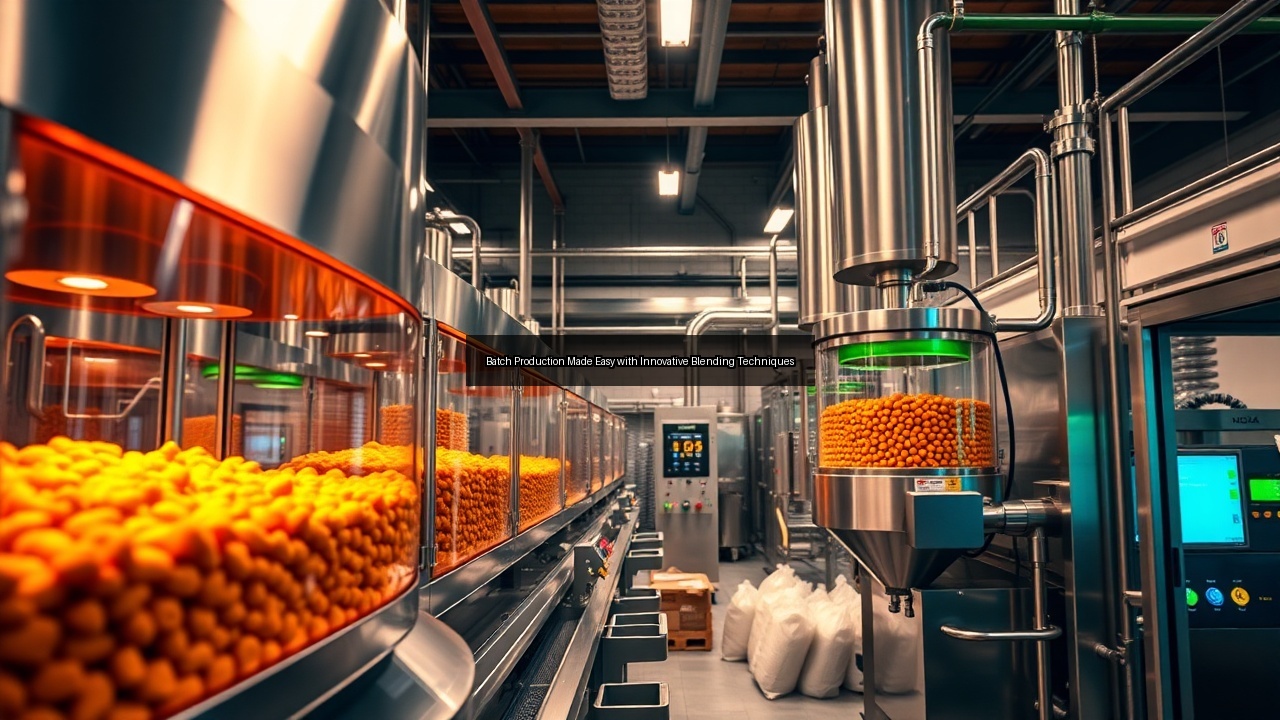
Understanding Batch Production in Food Manufacturing
The Role of Batch Production in Food and Beverage
Batch production plays a crucial role in the food and beverage industry, allowing manufacturers to create large quantities of products efficiently and consistently. This method caters to various market demands, from seasonal flavors to specialty items, while maintaining quality and safety standards. Manufacturers can produce everything from baked goods to beverages in set quantities, optimizing their resources and reducing waste. The flexibility of batch production enables companies to respond quickly to consumer trends, ensuring that they remain competitive in a constantly evolving market.
Key Components of Effective Batch Production
Effective batch production hinges on several key components that streamline the manufacturing process. First, precise measurement of food ingredients ensures consistency across production runs. Second, well-maintained equipment, such as mixers and blenders, minimizes downtime and maintains product integrity. Third, a robust quality control process monitors each batch for adherence to specifications, safeguarding safety and compliance. Additionally, effective scheduling and inventory management are vital to ensure that raw materials are available when needed, further enhancing the efficiency of batch production.
Importance of GFSI and USDA Standards in Food Manufacturing
Adhering to Global Food Safety Initiative (GFSI) and USDA standards is essential for food manufacturers engaged in batch production. GFSI benchmarks ensure that companies apply consistent food safety practices throughout their operations, reducing risks of contamination and improving consumer trust. Meanwhile, USDA regulations govern the use of food ingredients, ensuring that products meet safety and labeling requirements. Compliance with these standards not only protects consumers but also boosts a manufacturer's reputation in the food and beverage industry. Meeting regulatory standards is a non-negotiable aspect of successful batch production.
Innovative Blending Techniques for Custom Solutions
Overview of Custom Blending Solutions
Custom blending solutions have transformed how food manufacturers approach product development. These tailored solutions allow companies to create unique blends of food ingredients that cater to specific consumer preferences or dietary requirements. By utilizing advanced blending techniques, manufacturers can combine flavors, textures, and nutritional profiles to produce innovative products. The ability to customize blends enhances product differentiation, attracts niche markets, and addresses growing consumer demand for personalized food options. As the industry evolves, the importance of custom blending solutions will continue to rise, allowing brands to stay relevant and meet diverse consumer needs.
Types of Blends for Food Ingredients
Various types of blends exist within the realm of food ingredients, each serving distinct purposes. Dry blends commonly include spices, seasonings, and powdered ingredients, while liquid blends are essential for sauces, dressings, and beverages. Additionally, emulsified blends combine oil and water-based ingredients, creating smooth textures and stable products. The choice of blending method depends on the desired outcome, product type, and target market. Understanding these different blends helps manufacturers optimize their production processes and deliver high-quality products that resonate with consumers.
Innovations in Juice Concentrates and Beverage Production
Innovations in juice concentrates and beverage production showcase the impact of technology on custom blending solutions. Manufacturers increasingly utilize advanced extraction methods to preserve the nutritional qualities and flavors of fruits and vegetables. Techniques such as cold-pressing and flash pasteurization enhance the quality of juice concentrates, creating vibrant flavors without compromising safety. Furthermore, the rise of plant-based beverages has led to the development of unique blends that cater to health-conscious consumers. These innovations not only improve product quality but also expand the options available in the beverage market, meeting diverse consumer demands.
Packaging Considerations in Batch Production
Primary vs. Secondary Packaging: What You Need to Know
Understanding the difference between primary and secondary packaging is vital in batch production. Primary packaging directly contains the product, such as bottles for beverages or bags for snacks. This packaging must protect the food ingredients from contamination while maintaining freshness. Secondary packaging, on the other hand, groups primary packages together for distribution and sale, often including boxes or cartons. Both types of packaging play critical roles in ensuring product integrity and safety during transportation and storage. Proper selection of packaging materials enhances shelf life and promotes the product’s visual appeal on retail shelves.
Flexible Packaging Options for Custom Blends
Flexible packaging offers several advantages for custom blends, particularly in the food manufacturing sector. This packaging type adapts easily to various product shapes and sizes, making it ideal for unique blends of food ingredients. Flexible packaging reduces material usage and waste, contributing to sustainability efforts in the industry. Moreover, it allows manufacturers to incorporate eye-catching designs and graphics that enhance brand visibility. As consumer preferences shift towards convenience, flexible packaging solutions provide a practical option for companies seeking to innovate their approach to packaging in batch production.
Sustainable Packaging Trends in Food Manufacturing
Sustainability has become a driving force in packaging trends within food manufacturing. Many companies now prioritize eco-friendly materials and practices, aligning with consumer demand for environmentally responsible products. Innovations include biodegradable packaging, recyclable materials, and reduced plastic usage. Brands employing sustainable packaging not only minimize their environmental impact but also appeal to the growing segment of eco-conscious consumers. As a result, integrating sustainable packaging strategies into batch production processes is essential for manufacturers aiming to build a positive brand image and attract a loyal customer base.
The Future of Blending Solutions in the Food Industry
Emerging Technologies in Custom Blending
Emerging technologies are reshaping the landscape of custom blending in food manufacturing. Automation and artificial intelligence streamline blending processes, enhancing efficiency and reducing human error. Smart blending systems monitor ingredient ratios in real-time, ensuring precise formulations. Additionally, advancements in data analytics allow manufacturers to gather insights on consumer preferences, leading to the development of products that resonate with target markets. These technologies facilitate quicker product iterations, enabling manufacturers to stay ahead of trends and meet evolving consumer demands effectively.
The Impact of Science on Food Ingredient Innovations
Scientific advancements significantly influence food ingredient innovations, driving the development of new blends and formulations. Research into nutrition and health has led to the creation of functional foods, which offer added health benefits beyond basic nutrition. Furthermore, food scientists explore novel ingredients, such as plant-based proteins and alternative sweeteners, to cater to changing consumer preferences. This ongoing research fosters creativity and innovation in custom blending solutions, allowing manufacturers to produce products that not only taste good but also contribute to healthier lifestyles.
Case Studies: Successful Implementation of Custom Blending Services
Numerous case studies highlight the successful implementation of custom blending services across the food industry. One notable example involves a beverage company that utilized custom blending to create a line of health-focused drinks tailored to fitness enthusiasts. By collaborating with a custom blending service, they developed unique flavor profiles and nutritional compositions that appealed to their target audience. Another case study highlights a snack manufacturer that leveraged innovative blending techniques to craft gluten-free products, successfully entering a market segment with high demand. These examples demonstrate the potential of custom blending solutions to drive growth and innovation in food manufacturing.