Maximizing Accuracy and Efficiency in Metal Working through Advanced Fixture Design
The Importance of Workholding Fixtures in Metal Working
Understanding Workholding Solutions
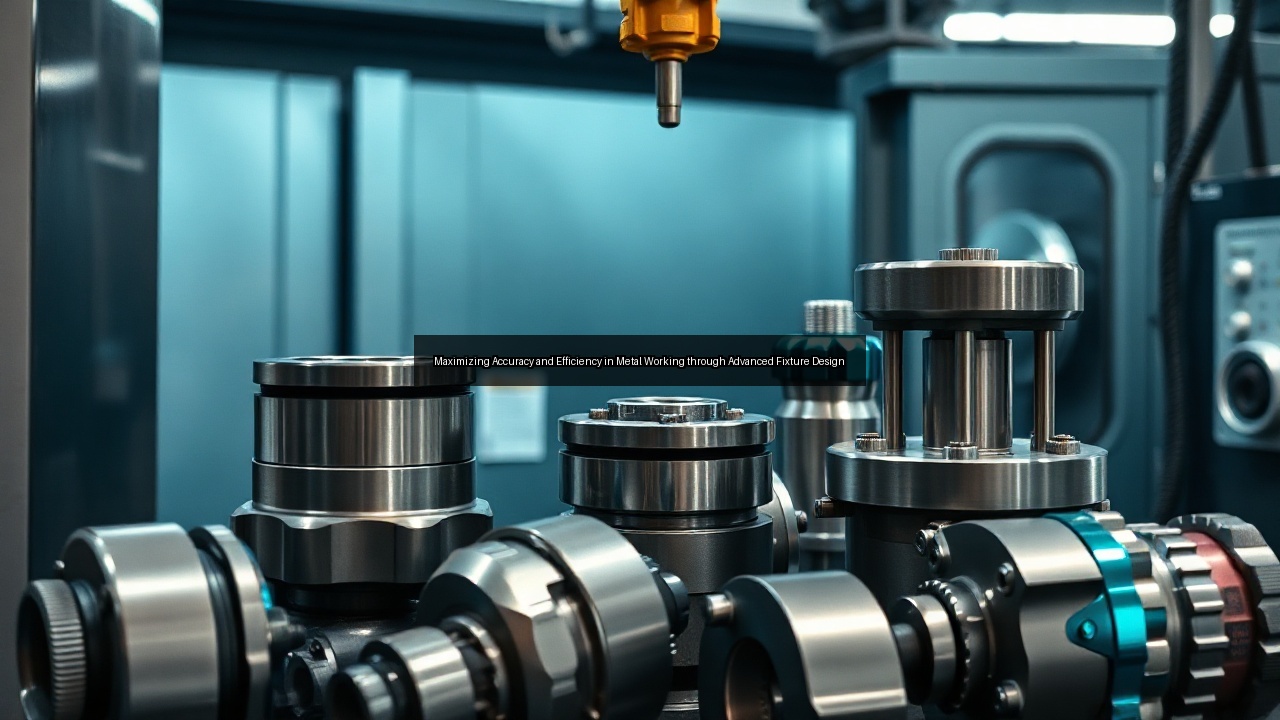
Workholding fixtures serve as the backbone of precision in the metalworking industry. These fixtures secure workpieces during various machining processes, including milling, drilling, and CNC machining. A well-designed workholding fixture enhances stability and minimizes movement, ensuring that parts maintain accurate geometries throughout the fabrication process. Different workholding solutions, such as jigs, vices, and hydraulic clamps, cater to specific machining requirements, allowing manufacturers to achieve higher levels of precision and repeatability. Understanding the diverse range of workholding tools available empowers operators to select the right solution for their unique applications, thereby optimizing workflow and reducing the likelihood of costly errors. The integration of advanced technologies into workholding solutions further enhances their effectiveness, paving the way for innovation in metalworking.
Impact on Accuracy and Efficiency
Precision and efficiency are critical in metalworking, and the choice of workholding fixtures plays a pivotal role in achieving these objectives. Accurate workholding minimizes the risk of part distortion during machining, leading to better dimensional tolerances. This accuracy translates into fewer rework cycles and less material waste, directly impacting production costs. Moreover, efficient workholding solutions streamline the workflow by reducing setup times. When fixtures are designed for quick adjustments and easy loading, operators can transition between jobs swiftly, maintaining high throughput rates. The cumulative effect of improved accuracy and efficiency not only enhances product quality but also increases overall productivity, making it essential for manufacturers to prioritize the selection and design of their workholding fixtures.
Key Materials and Technologies Used
Materials and technologies in workholding fixture design significantly affect performance and durability. Traditional fixtures often utilize steel and aluminum due to their strength and resilience. However, advancements in materials like carbon fiber and composite structures are becoming increasingly popular. These materials offer a robust yet lightweight alternative, improving handling and setup efficiency. On the technology front, CNC machine tools have revolutionized how fixtures are designed and manufactured. Computer-aided design (CAD) and computer-aided manufacturing (CAM) software facilitate the creation of complex fixture geometries, ensuring precise fits for various workpieces. Additionally, the integration of vacuum and hydraulic systems into fixtures allows for enhanced gripping force and adaptability, accommodating a wide range of machining tasks. By leveraging advanced materials and technologies, manufacturers can develop workholding fixtures that meet the demands of modern metalworking.
Advanced Fixture Design Techniques
CNC Machine Tools and Their Role
CNC machine tools have become indispensable in modern manufacturing, particularly in the context of fixture design. These advanced machines enable precise machining of complex geometries, allowing for the creation of highly intricate fixtures that traditional methods cannot achieve. CNC machining provides the ability to produce fixtures with exact tolerances, ensuring that each component fits flawlessly within the machining setup. The programmability of CNC systems also permits quick modifications to fixture designs, adapting to changing production requirements without significant downtime. This flexibility not only enhances the adaptability of workholding fixtures but also reduces lead times in the manufacturing process. Furthermore, the use of CNC machine tools in fixture production allows manufacturers to experiment with innovative designs, such as multi-functional fixtures that can accommodate multiple processes within a single setup.
Utilizing Automation for Improved Workflow
Automation has transformed the landscape of manufacturing, and its integration into workholding systems enhances workflow efficiency. Automated workholding fixtures can adjust their clamping force or position without manual intervention, improving setup times and reducing the likelihood of operator error. Systems equipped with sensors can monitor the status of a workpiece in real-time, ensuring optimal conditions for machining. This level of automation not only increases operational efficiency but also empowers manufacturers to maintain consistent quality standards across production runs. Additionally, automated systems can be synchronized with CNC machine tools, allowing for seamless transitions between different stages of the machining process. Ultimately, the strategic deployment of automation in workholding fixtures leads to faster production cycles, reduced labor costs, and an overall enhancement in the efficiency of manufacturing operations.
Innovative Fixture Types: Jigs and Hydraulic Systems
Innovative fixture types, such as jigs and hydraulic systems, are pivotal in optimizing metalworking processes. Jigs provide guidance and support for tools, ensuring accurate machining without manual alignment adjustments. These fixtures enhance production speed and reduce operator fatigue, as they simplify the setup process. Hydraulic fixtures take this a step further by utilizing fluid power to secure workpieces. The adaptability of hydraulic systems allows for quick and precise adjustments, accommodating various workpiece sizes and shapes. Vacuum fixtures represent another innovation, offering non-intrusive clamping that minimizes damage to delicate components. By integrating these advanced fixture types into machining operations, manufacturers can significantly enhance both efficiency and accuracy, leading to superior product quality and reduced cycle times.
Optimizing Manufacturing Processes with Workholding Fixtures
Balancing Speed and Precision in Machining
In metalworking, balancing speed and precision is crucial for maintaining competitiveness in the market. Workholding fixtures play a vital role in achieving this balance. High-speed machining demands fixtures that can hold workpieces securely while allowing for rapid tool changes and quick adjustments. Conversely, precision machining requires fixtures that can maintain tight tolerances throughout the machining process. Manufacturers often face the challenge of designing fixtures that accommodate both high-speed operations and the need for accuracy. Solutions include adjustable fixtures that can be modified for different machining tasks and the use of advanced materials to reduce vibration, which can affect precision. By understanding the specific requirements of their machining processes, manufacturers can design workholding fixtures that optimize both speed and accuracy, ultimately leading to improved production outcomes.
Cost Considerations: Pricing Your Fixtures
Pricing workholding fixtures involves a careful analysis of materials, design complexity, and manufacturing processes. The cost of high-quality materials, such as specialized alloys or advanced composites, can significantly impact the overall expense. Additionally, intricate designs that leverage CNC machining or advanced technologies may incur higher initial costs but offer long-term savings through improved performance and reduced operational downtime. Manufacturers must also consider the potential return on investment when pricing fixtures. While higher upfront costs may deter some, the efficiency gains and reduction in waste associated with high-quality fixtures often justify the investment. Understanding the total cost of ownership—including maintenance, replacement, and operational efficiency—allows manufacturers to make informed decisions about their workholding solutions.
Case Studies in Aerospace Applications
Aerospace manufacturing exemplifies the critical importance of workholding fixtures for achieving high precision and safety standards. In this industry, fixtures must accommodate complex geometries and high-performance materials, often under stringent regulatory requirements. For instance, companies utilizing advanced CNC machining techniques have successfully developed custom jigs and hydraulic fixtures that enhance machining accuracy while reducing cycle times. These innovations not only result in significant cost savings but also improve the quality of aerospace components, ensuring they meet the rigorous safety standards. The integration of automation in workholding fixtures within the aerospace sector further exemplifies the trend toward efficiency and precision in manufacturing. Case studies show that manufacturers can achieve remarkable improvements in both productivity and quality by investing in sophisticated workholding solutions tailored for aerospace applications.