Achieving Quality Assurance in Hydraulic Component Machining Processes
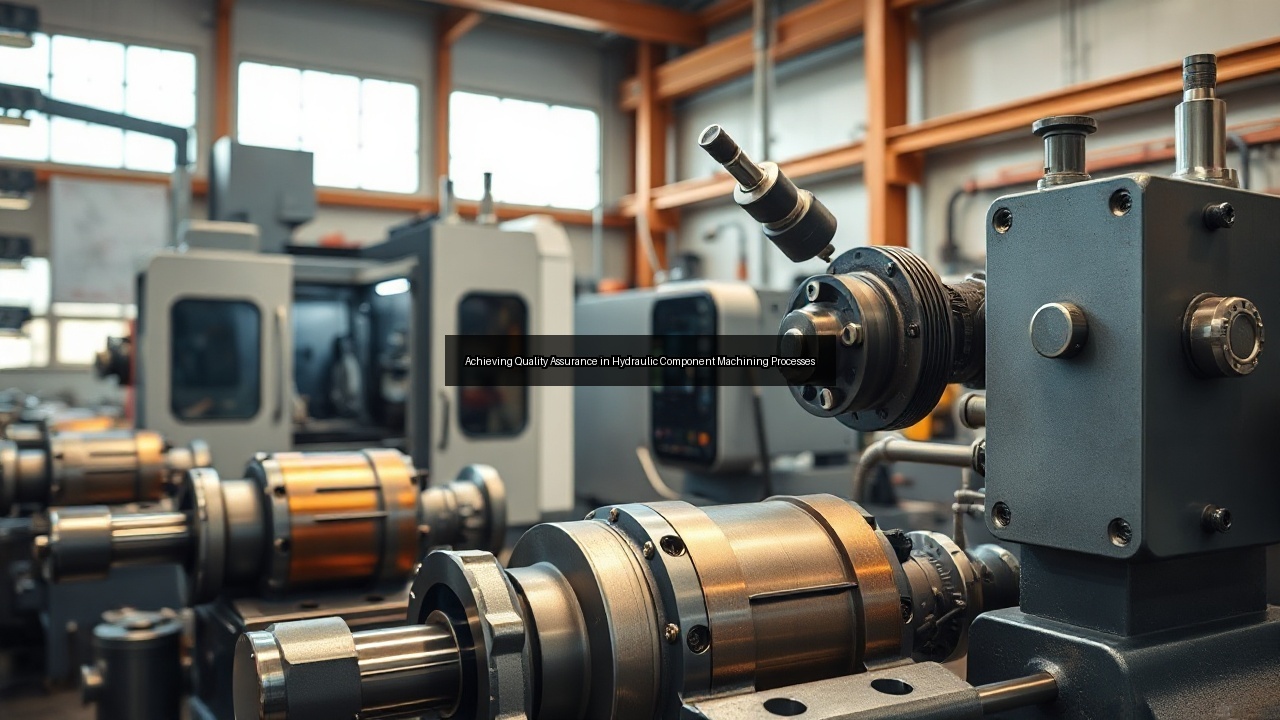
Understanding Hydraulic Component Machining Processes
The Role of CNC in Hydraulic Component Manufacturing
CNC technology revolutionizes hydraulic component machining by enhancing precision and repeatability. Computer Numerical Control (CNC) machines operate through programmed instructions, allowing manufacturers to produce complex geometries with high accuracy. This automation reduces human error and increases productivity, making it easier to meet stringent tolerances required in hydraulic systems. Hydraulic components such as spools, pistons, and forgings benefit from CNC machining’s ability to execute intricate designs efficiently. Companies can achieve consistent quality across large production runs, an essential factor in sectors like aerospace and automotive, where reliability and performance are critical.
Key Materials Used in Hydraulic Machining
Manufacturers select specific materials for hydraulic component machining based on the desired properties and components machining applications. Tool steels are popular due to their excellent wear resistance and machinability, making them suitable for high-stress environments. Plastics, including PTFE, offer corrosion resistance and lightweight characteristics, which are beneficial in various hydraulic applications. Additional materials, such as aluminum and stainless steel, provide a balance of strength and weight, improving overall system efficiency. Understanding the machinability of these materials allows engineers to optimize machining processes, ensuring that components meet performance standards while minimizing waste.
Machinability of Tool Steels and Plastics
Machinability significantly influences the hydraulic component manufacturing process. Tool steels exhibit excellent machinability, enabling manufacturers to create intricate shapes while maintaining tight tolerances. The hardness and toughness of tool steels contribute to their performance under high loads, making them ideal for components that encounter wear over time. Conversely, plastics like PTFE offer unique advantages in specific applications, such as low friction and chemical resistance. However, machining plastics requires specialized tools and techniques to avoid deformation and ensure a smooth finish. Balancing the machinability of these components machining materials is crucial for achieving the desired quality in hydraulic components.
Ensuring Precision and Quality in Machining
Importance of Tolerances in Hydraulic Systems
Tolerances play a vital role in hydraulic systems, directly impacting performance and reliability. Hydraulic components must fit precisely within the system to prevent leaks and ensure optimal fluid dynamics. Manufacturers often adhere to strict tolerances during machining to ensure that parts work seamlessly together, particularly in high-pressure environments. For example, a slight deviation in the diameter of a piston can lead to significant issues in system efficiency and longevity. Implementing rigorous quality assurance measures during the machining process helps maintain these tolerances, ensuring that hydraulic systems operate smoothly and effectively.
Quality Assurance Standards: ISO 9001 in Hydraulic Component Machining
ISO 9001 certification represents a commitment to quality and efficiency in hydraulic component machining. This international standard outlines requirements for a quality management system, encouraging continuous improvement and customer satisfaction. Companies that implement ISO 9001 standards in their manufacturing processes demonstrate reliability in producing hydraulic components that meet or exceed industry expectations. This certification not only enhances the reputation of manufacturers but also assures customers that they receive high-quality, machined components. Regular audits and evaluations ensure compliance with ISO standards, fostering a culture of quality assurance throughout the organization.
Automated Machining Centers and Their Impact on Efficiency
Automated machining centers streamline hydraulic component manufacturing, significantly increasing efficiency. These advanced machines integrate multiple machining operations into a single setup, reducing the time and labor involved in producing hydraulic components. By employing CNC technology, automated centers can operate continuously, minimizing downtime and maximizing output. Manufacturers benefit from increased production rates and reduced costs, allowing for competitive pricing in the market. Moreover, these machines enhance precision, ensuring that each component meets stringent quality standards. The integration of automated machining centers reflects the industry's shift toward modernization and efficiency, essential for meeting the demands of various sectors.
Applications and Industries Utilizing Hydraulic Components
Hydraulic Components in Aerospace and Automotive Sectors
Aerospace and automotive industries rely heavily on hydraulic components for their systems. In aerospace, hydraulic systems control critical functions, such as landing gear and flight control surfaces, where reliability is paramount. Components like pistons and valves must withstand extreme conditions and pressures, necessitating high-quality machining processes. The automotive sector also utilizes hydraulic components for braking systems and power steering, where performance and safety are crucial. Manufacturers in both sectors prioritize precision machining to ensure that components meet stringent regulatory standards and perform effectively under various operational scenarios.
The Role of Hydraulic Equipment in Construction and Agriculture
Hydraulic equipment plays a significant role in construction and agriculture, providing the necessary power for various machinery. Excavators, backhoes, and bulldozers rely on hydraulic systems to perform heavy lifting and precise movements. The design and machining of hydraulic components directly influence the efficiency and effectiveness of these machines. In agriculture, hydraulic systems enable tractors and harvesters to operate efficiently, enhancing productivity in the field. Manufacturers focus on producing durable, high-quality hydraulic components to withstand the rigors of construction and agricultural operations, ensuring that equipment remains reliable over time.
Fluid Dynamics and the Importance of Precision in Marine Applications
Marine applications demand precision in hydraulic component machining due to the complex fluid dynamics involved. Hydraulic systems control various functions in vessels, such as steering, deck machinery, and propulsion. Any compromise in the machining of components like pumps and valves can lead to performance issues and safety hazards. Manufacturers must ensure that these components are machined to exact specifications, maintaining tolerances to optimize fluid flow and reduce wear. The maritime industry relies on high-quality hydraulic components to ensure safe and efficient operations, highlighting the importance of precision in component machining.
Innovative Technologies in Hydraulic Component Machining
Advancements in Grinding and CNC Machining Techniques
Recent advancements in grinding and CNC machining techniques have transformed hydraulic component manufacturing. Precision grinding processes improve surface finishes and tolerances, enhancing the performance of hydraulic components. New CNC machining technologies enable faster production times while maintaining high accuracy, allowing manufacturers to respond to changing market demands quickly. The integration of smart technologies, such as IoT and machine learning, further optimizes machining processes, predicting maintenance needs and minimizing downtime. These innovations not only enhance efficiency but also contribute to the production of high-quality, reliable hydraulic components.
Corrosion-Resistant Materials for Enhanced Durability
Corrosion resistance is a crucial factor in the longevity of hydraulic components, especially in challenging environments. Manufacturers increasingly utilize corrosion-resistant materials, such as stainless steel and specialized coatings, to enhance the durability of components. These materials prevent degradation from exposure to fluids and environmental conditions, ensuring reliable performance over time. The selection of appropriate materials during the machining process directly impacts the lifespan and efficiency of hydraulic systems. Companies that prioritize corrosion resistance in their hydraulic components gain a competitive edge, providing customers with solutions that stand the test of time.
Reducing Waste in Hydraulic Component Production
Reducing waste in hydraulic component production contributes to environmental sustainability and cost-effectiveness. Manufacturers implement lean manufacturing principles and advanced machining techniques to minimize scrap and optimize material usage. By analyzing machining processes and identifying areas for improvement, companies can enhance efficiency and reduce material costs. Additionally, recycling and reusing materials play a vital role in waste reduction strategies. Adopting these practices not only benefits the bottom line but also aligns with the growing demand for environmentally responsible manufacturing in the hydraulic component industry.